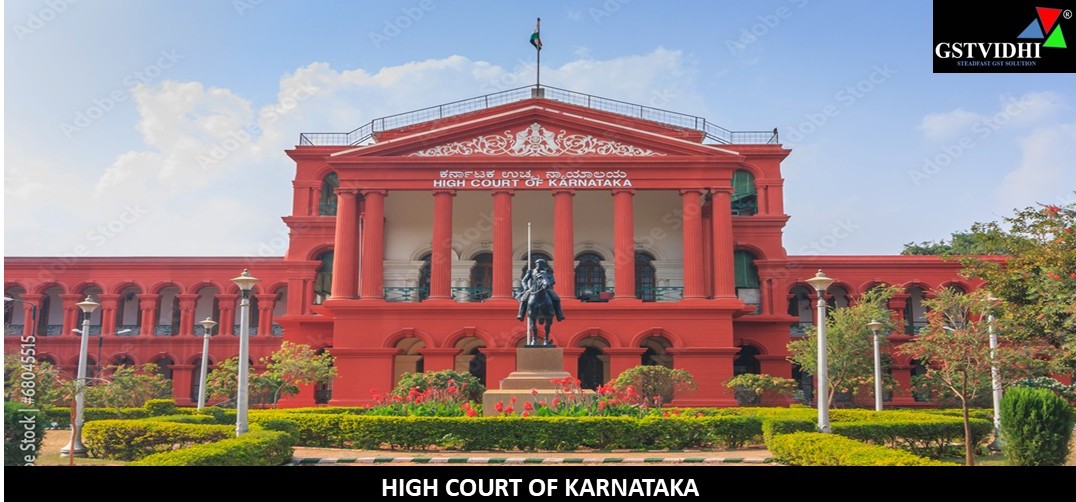
Karnataka High Court Sets Aside Ex-Parte GST Adjudication Orders
and Recovery Proceedings After Granting Taxpayer Opportunity to Reply to Show
Cause Notices
M/s Jaydeep Enterprises v. State of Karnataka & Others /
High Court of Karnataka / 29 January 2026 / W.P. No. 1541 of 2026 (T-RES)
Introduction
of the Case
The Karnataka High Court
in M/s Jaydeep Enterprises v. State of Karnataka & Others dealt with the
validity of ex-parte GST adjudication orders passed without participation of
the taxpayer and the consequential recovery proceedings initiated by the department.
The petitioner challenged
multiple show cause notices, adjudication orders, and recovery proceedings
initiated under the GST laws for the tax period 2020-21. The main grievance of
the petitioner was that due to bona fide reasons, the show cause notices did
not come to its knowledge, resulting in ex-parte orders being passed without
submission of reply or proper hearing.
The case highlights the
importance of granting taxpayers adequate opportunity to defend themselves
before passing adverse orders under GST law and reiterates the justice-oriented
approach adopted by courts in matters involving ex-parte adjudication.
Facts of
the Case
M/s Jaydeep Enterprises,
represented by its proprietor, approached the Karnataka High Court challenging
various proceedings initiated by the GST authorities for the financial year
2020-21.
The petitioner challenged
show cause notices issued in Form GST DRC-01, ex-parte adjudication orders
passed under Section 73(9) of the KGST/CGST/IGST Act, summary orders issued in
Form GST DRC-07, and consequential recovery proceedings initiated under Section
79(1)(c) of the CGST Act through Form GST DRC-13 notices issued to third
parties including the petitioner’s bank.
According to the
petitioner, the show cause notices uploaded on the GST portal did not come to
its knowledge due to bona fide reasons, and therefore no reply could be
submitted before the adjudicating authority. As a result, ex-parte adjudication
orders were passed against the petitioner.
The petitioner further
contended that if an opportunity was granted to submit reply to the show cause
notices, it would be able to demonstrate that the issues raised in the notices
had already been closed in earlier audit observations.
Submissions
by the Petitioner
The petitioner argued
that the ex-parte orders were passed without effective participation due to
bona fide circumstances under which the show cause notices did not come to its
notice.
It was submitted that the
petitioner had a strong case on merits and could establish that the issues
raised in the show cause notices were already concluded through audit
proceedings. The petitioner therefore requested the Court to reopen the
proceedings and remit the matter back to the stage of filing reply to the show
cause notices.
The petitioner also
challenged the consequential recovery proceedings initiated against its bank
accounts through notices issued under Section 79(1)(c) of the CGST Act.
Submissions
by the Respondents
The State authorities
opposed the petition and submitted that the show cause notices had been
uploaded on the GST portal and e-mail communications had also been sent to the
petitioner.
According to the
department, the petitioner itself was responsible for not replying to the
notices and therefore the adjudication orders were rightly passed.
Analysis
and Judgment of the Court
The Karnataka High Court
considered the rival submissions and took note of the serious consequences
flowing from the ex-parte adjudication orders and recovery proceedings
initiated against the petitioner.
The Court observed that
the petitioner had raised substantive contentions on merits and had expressed
willingness to participate in the proceedings by filing reply to the show cause
notices. Considering these circumstances, the Court held that the ends of
justice would be served by granting another opportunity to the petitioner.
Accordingly, the High
Court set aside the ex-parte adjudication orders and summary orders issued
against the petitioner. The Court remitted the matter back to the stage of
filing reply to the show cause notices before the adjudicating authority.
The Court also set aside
the consequential recovery proceedings initiated through notices issued under
Section 79(1)(c) of the CGST Act, including proceedings against the
petitioner’s bank account.
The petitioner was
directed to appear before the competent authority on 16.02.2026 without
awaiting any further notice. The Court clarified that all contentions on merits
were kept open for fresh adjudication.
Conclusion
The judgment in M/s
Jaydeep Enterprises v. State of Karnataka & Others reiterates the
importance of procedural fairness and opportunity of hearing in GST
adjudication proceedings. The Karnataka High Court adopted a justice-oriented
approach by setting aside ex-parte adjudication orders and consequential
recovery proceedings after considering the petitioner’s explanation and
proposed defence on merits.
The ruling emphasizes
that where taxpayers demonstrate bona fide reasons for non-participation and
show existence of arguable issues on merits, courts may intervene to restore
adjudication proceedings to ensure fair hearing. The decision also highlights that
coercive recovery proceedings arising out of ex-parte orders may not survive
once such adjudication orders are set aside.
Disclaimer: All the Information is based on the notification, circular advisory and order issued by the Govt. authority and judgement delivered by the court or the authority information is strictly for educational purposes and on the basis of our best understanding of laws & not binding on anyone.
Click here